Tag: GEO vs SEO

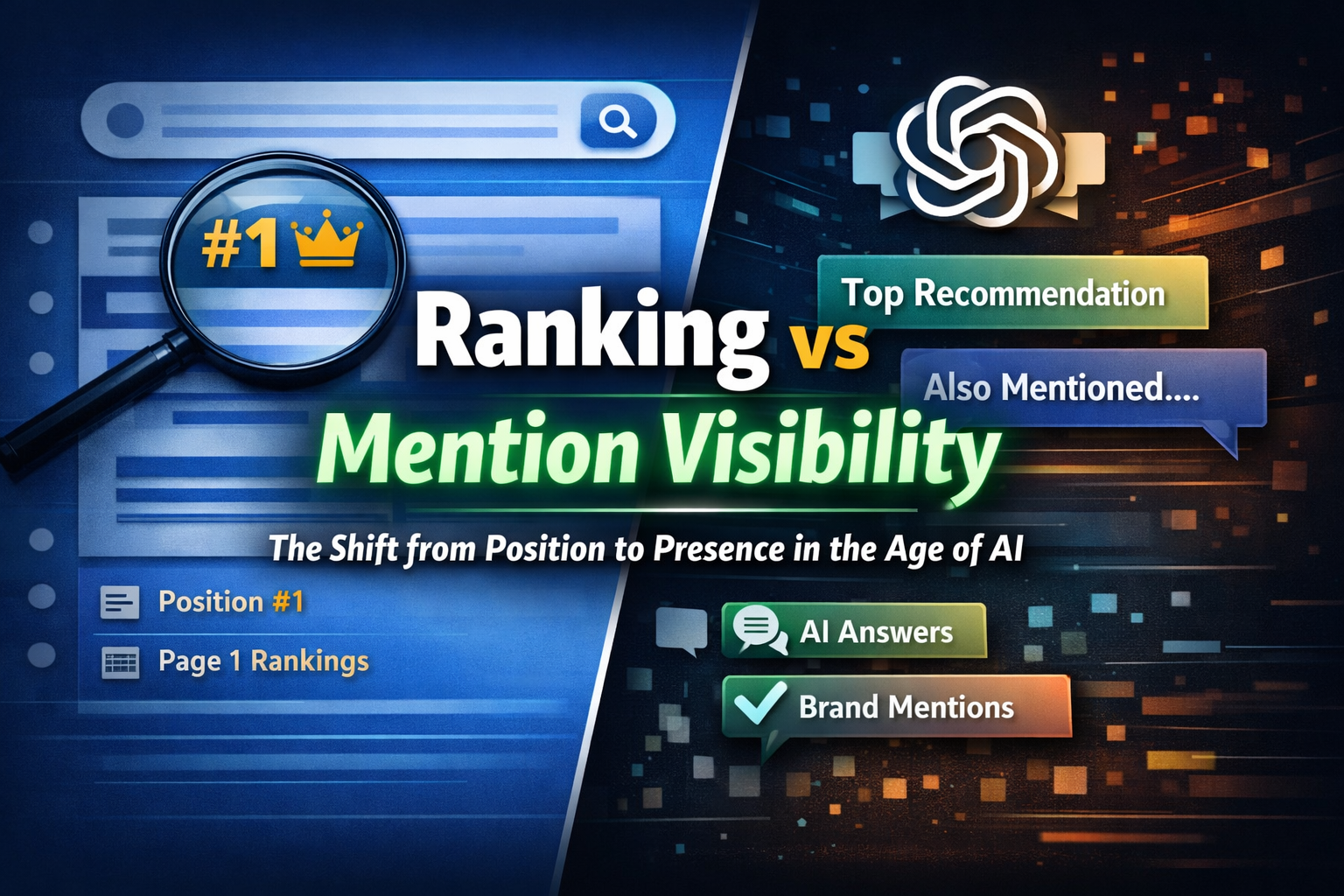
  • Ranking vs Mention Visibility

    Ranking vs Mention Visibility

    The shift from position to presence in the age of AI


    I. For years, visibility had a single meaning

    If you asked any marketer:

    “What determines visibility online?”

    The answer was simple:

    Ranking

    Higher ranking meant:

    • More traffic
    • More clicks
    • More growth

    II. That definition is now outdated

    With the rise of AI systems like:

    • ChatGPT
    • Gemini
    • Claude

    Visibility no longer depends on where you rank.

    It depends on something else:

    Whether you are mentioned


    III. The new reality

    In AI-generated answers:

    • There is no list of results
    • There is no position #5
    • There is no page two

    There is only:

    What the AI includes


    IV. What is ranking?

    Ranking is:

    The position of a webpage in search engine results.

    It is:

    • Explicit
    • Measurable
    • Competitive

    Ranking determines:

    • Click-through rate
    • Traffic
    • Visibility in search

    V. What is mention visibility?

    Mention visibility is:

    The presence and positioning of a brand inside AI-generated answers.

    It is:

    • Implicit
    • Contextual
    • Narrative-driven

    Mention visibility determines:

    • Whether you are considered
    • How you are perceived
    • Whether users choose you

    VI. The core difference

    Ranking = where you appear
    Mention visibility = whether you appear


    VII. Ranking vs Mention Visibility (Side-by-side)

    DimensionRankingMention Visibility
    SystemSearch enginesAI systems
    OutputList of linksGenerated answers
    Visibility modelPosition-basedInclusion-based
    MetricRank positionMentions & presence
    User behaviorClickTrust
    CompetitionPage rankingNarrative inclusion

    VIII. Ranking is visible. Mention visibility is hidden.

    In SEO, you can see:

    • Your ranking position
    • Your traffic
    • Your performance

    In AI:

    • You don’t see why you are missing
    • You don’t see how you are evaluated
    • You only see the final answer

    IX. The three layers of mention visibility

    Mention visibility is not binary.

    It has depth:

    1. Inclusion

    Are you mentioned at all?

    If not:

    You have zero visibility


    2. Prominence

    Where do you appear?

    • First recommendation
    • Secondary option
    • Minor mention

    3. Positioning

    How are you described?

    • Leader
    • Alternative
    • Niche

    X. Why ranking is no longer enough

    You can:

    • Rank #1 on Google
    • Own your keywords
    • Drive traffic

    And still:

    Not be mentioned in AI answers

    This creates:

    The AI visibility gap


    XI. The shift from clicks to decisions

    Ranking optimizes for:

    Clicks

    Mention visibility optimizes for:

    Decisions

    Because:

    • Users trust AI answers
    • Decisions happen inside responses

    XII. The shift from pages to entities

    Ranking is based on:

    Pages

    Mention visibility is based on:

    Entities

    AI systems evaluate:

    • What your brand is
    • What it represents
    • How it connects to other entities

    XIII. The shift from traffic to influence

    Ranking brings:

    • Visitors

    Mention visibility brings:

    • Influence

    Because:

    • You shape the answer
    • You shape perception

    XIV. The emergence of AI visibility

    We define:

    AI visibility = measurable mention visibility across AI systems

    It includes:

    • Frequency of mentions
    • Position in answers
    • Narrative framing

    XV. Why this matters for companies

    If you optimize only for ranking:

    • You get traffic
    • But miss AI-driven users

    If you optimize for mention visibility:

    • You influence decisions
    • You control perception
    • You compete inside AI

    XVI. What companies need to do now

    1. Keep tracking rankings

    SEO still matters.


    2. Start tracking mention visibility

    • Are you mentioned in ChatGPT?
    • Are competitors dominating?

    3. Optimize for inclusion

    • Improve entity clarity
    • Strengthen contextual signals
    • Structure content for AI

    XVII. The future of visibility

    We are moving from:

    Ranking-based visibility

    To:

    Mention-based visibility


    XVIII. Final insight

    Ranking tells you:

    Where you stand

    Mention visibility determines:

    Whether you are even in the game


    The new equation

    Visibility = Inclusion + Prominence + Positioning

  • AI Search vs Google Search

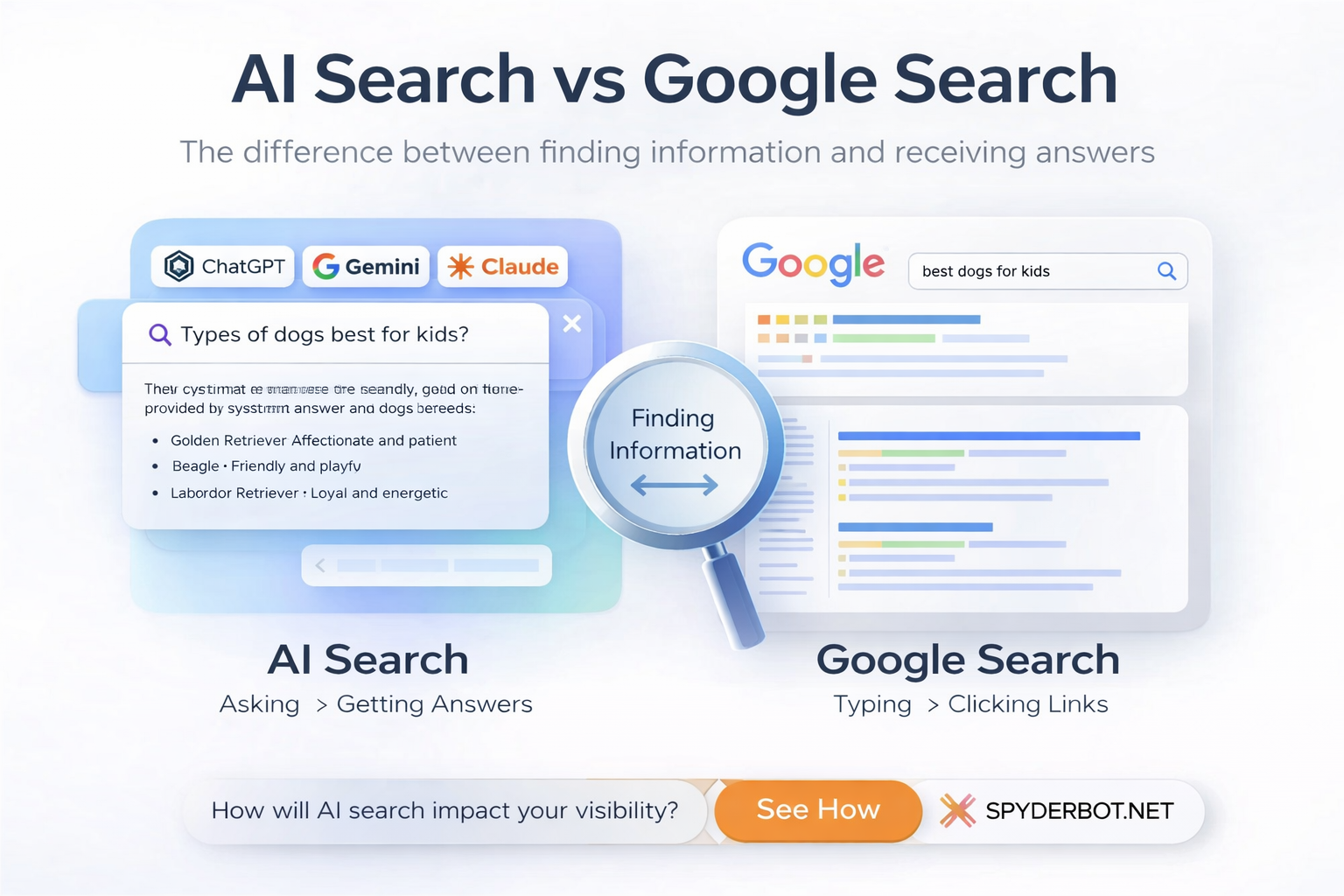
    AI Search vs Google Search

    The difference between finding information and receiving answers


    I. Two different ways to access the internet

    For decades, the internet worked through search engines.

    You typed a query.
    You got a list of links.
    You chose what to click.

    That model is now being challenged.

    AI search systems like:

    • ChatGPT
    • Gemini
    • Claude

    are introducing a new experience:

    You ask → you get an answer


    II. The core difference in one sentence

    Google Search returns links
    AI Search generates answers


    III. What is Google Search?

    Google Search is:

    A retrieval system that indexes and ranks webpages based on relevance.

    It works by:

    • Crawling websites
    • Indexing content
    • Ranking pages using algorithms

    The output:

    A list of results (SERP)


    IV. What is AI Search?

    AI search is:

    A generative system that interprets queries and produces synthesized answers.

    It works by:

    • Understanding intent
    • Combining information
    • Generating responses

    The output:

    A single answer (or a small set of recommendations)


    V. AI Search vs Google Search (Side-by-side)

    DimensionGoogle SearchAI Search
    OutputList of linksGenerated answer
    InterfaceSERPConversational
    User behaviorClick & browseAsk & trust
    RankingExplicitImplicit
    UnitPagesEntities
    GoalTrafficInclusion
    InteractionOne query → many linksOne query → one answer

    VI. Ranking vs inclusion

    Google Search:

    • Shows multiple results
    • Lets users decide
    • Even position #5 can get traffic

    AI Search:

    • Shows limited answers
    • Makes recommendations
    • If you are not included:

    You do not exist


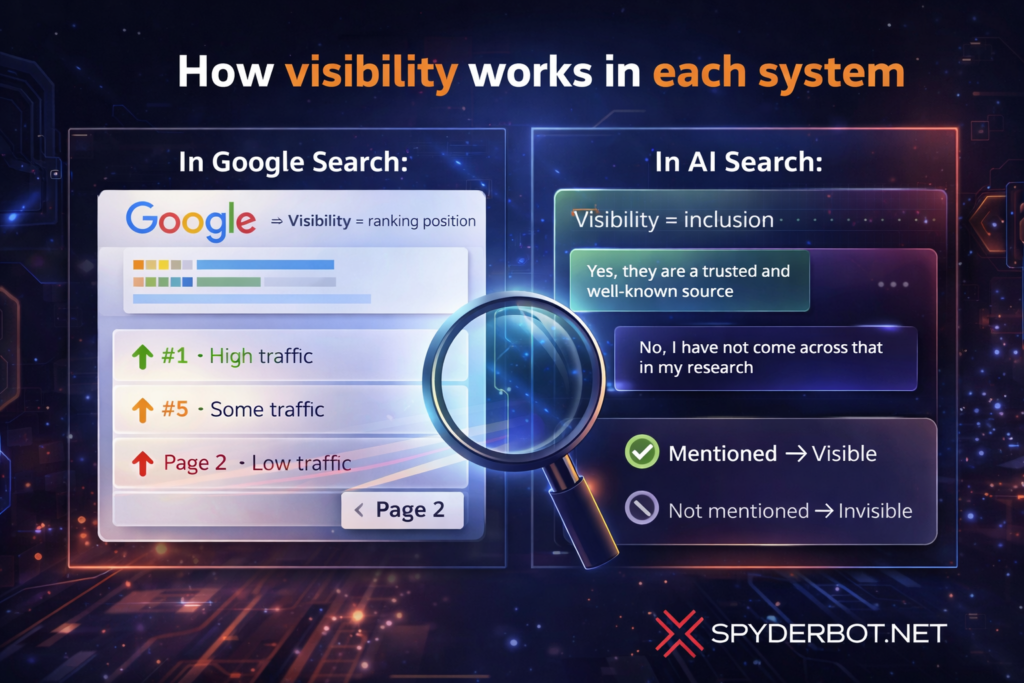
    VII. How visibility works in each system

    1. In Google Search:

    Visibility = ranking position

    • #1 → high traffic
    • #5 → some traffic
    • Page 2 → low traffic

    2. In AI Search:

    Visibility = inclusion

    • Mentioned → visible
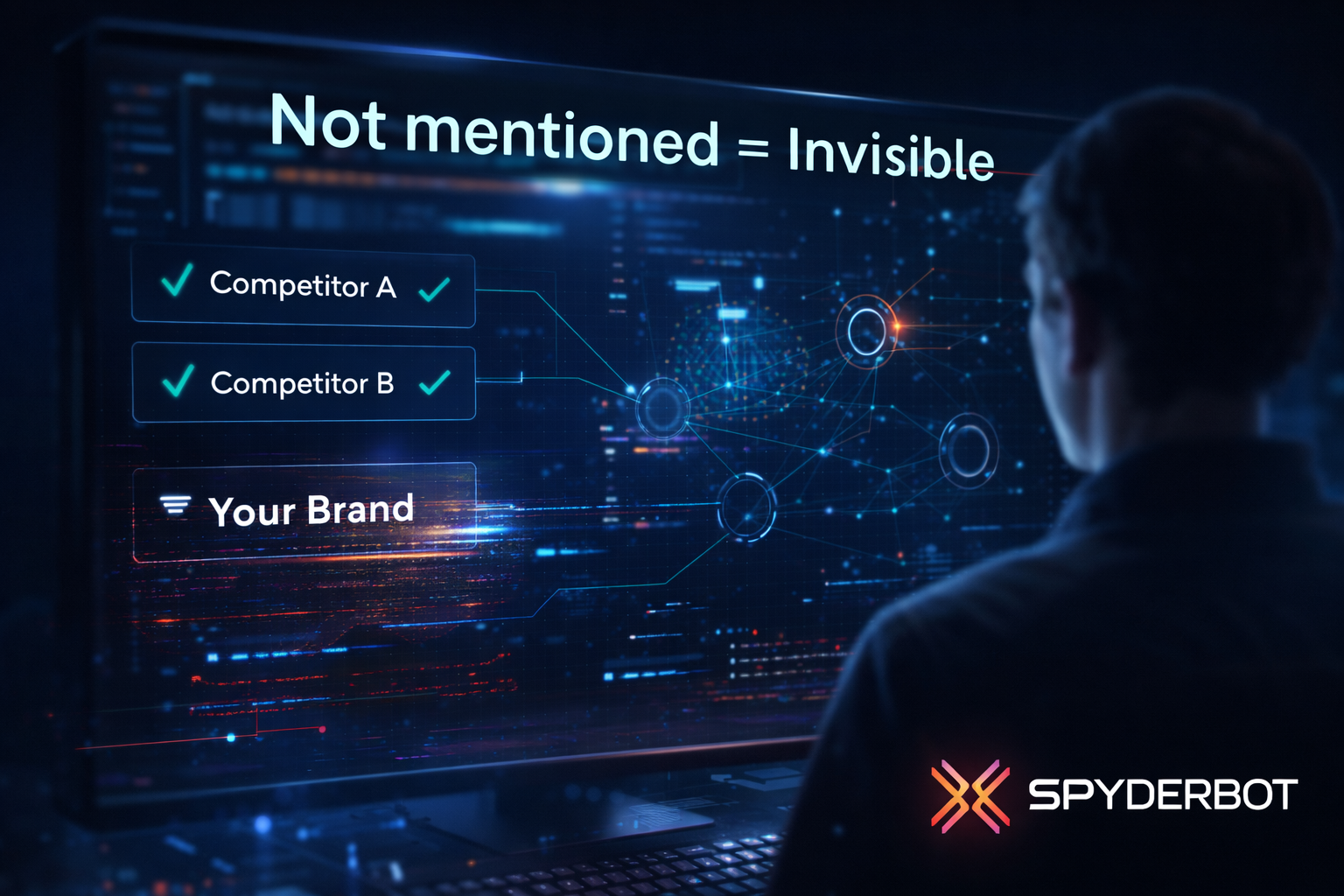
    • Not mentioned → invisible

    VIII. How decisions are made

    1. Google Search:

    • Keyword relevance
    • Backlinks
    • Page authority

    2. AI Search:

    • Entity recognition
    • Contextual relevance
    • Semantic relationships
    • Confidence signals

    IX. The shift from pages to entities

    Google Search focuses on:

    Pages

    AI Search focuses on:

    Entities

    This means:

    • Not just what you publish
    • But how your brand is understood

    X. The shift from links to answers

    Google:

    • Gives options

    AI:

    • Gives conclusions

    This changes user behavior:

    • Less exploration
    • More trust in a single answer

    XI. The shift from traffic to influence

    Google Search optimizes for:

    Traffic

    AI Search optimizes for:

    Influence

    Because:

    • Users act on answers
    • Not on links

    XII. Why this matters for companies

    If you rely only on Google:

    • You may still get traffic
    • But miss AI-driven users

    If you optimize for AI search:

    • You influence decisions
    • You control perception
    • You capture high-intent demand

    XIII. The emergence of a new discipline

    To succeed in AI search, companies need:

    • AI search optimization
    • AI visibility tracking
    • LLM brand analytics

    This is called:

    Generative Engine Optimization (GEO)


    XIV. Google is not disappearing

    Google will continue to:

    • Drive discovery
    • Power navigation
    • Support research

    But AI search will:

    • Drive decisions
    • Provide recommendations
    • Shape perception

    XV. The new stack

    The future is not:

    Google vs AI

    It is:

    • Google Search → discovery
    • AI Search → decision

    XVI. What companies should do now

    1. Maintain SEO

    Continue optimizing for:

    • Rankings
    • Traffic

    2. Start optimizing for AI search

    Focus on:

    • Entity clarity
    • Context
    • AI interpretation

    3. Measure AI visibility

    • Are you mentioned in ChatGPT?
    • Are competitors dominating answers?

    XVII. The future of search

    We are moving toward:

    A hybrid system

    Where:

    • Search engines find information
    • AI systems interpret and deliver it

    XVIII. Final insight

    Google helps users:

    Find information

    AI helps users:

    Decide what to do

    And in that world:

    The companies that win are the ones included in the answer

  • GEO vs SEO

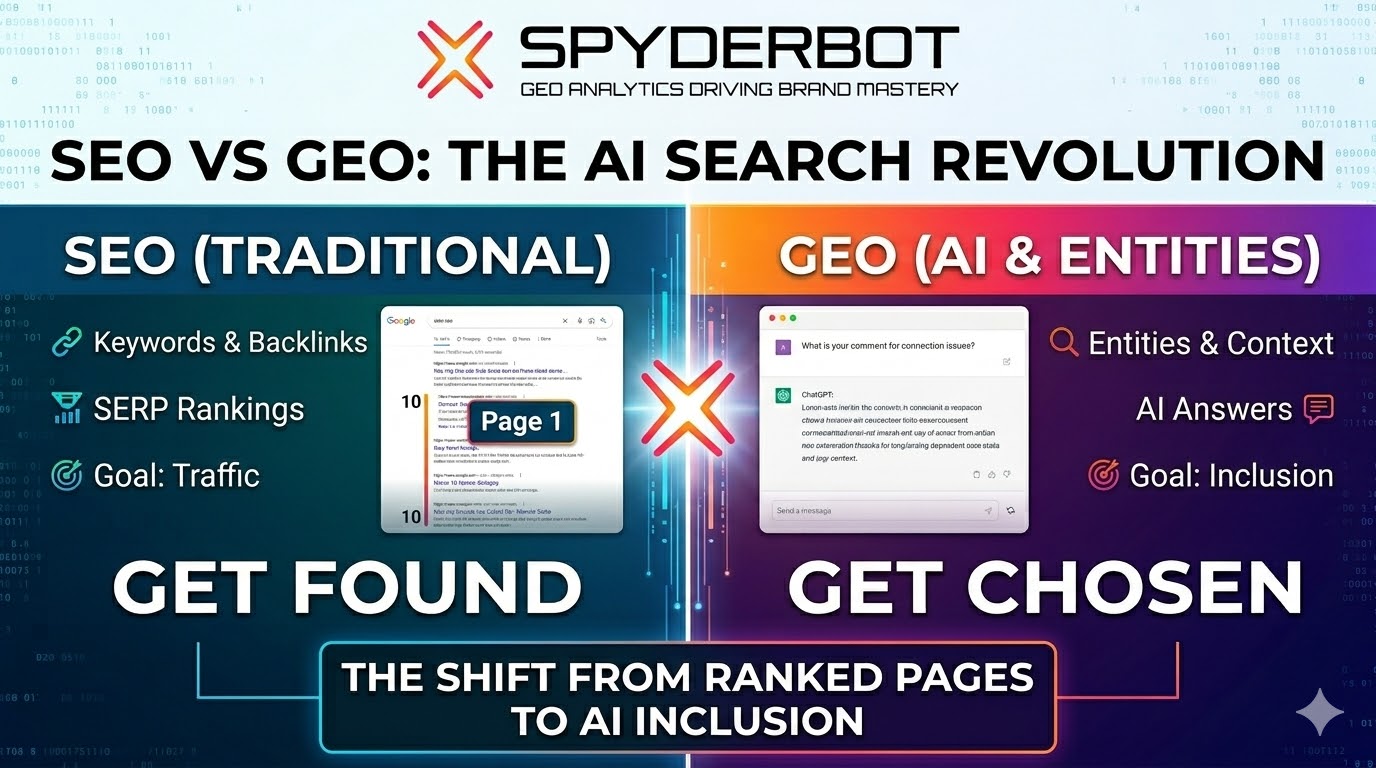
    GEO vs SEO

    The difference between being ranked and being included


    1. For years, SEO defined digital visibility

    If you wanted users to find your company, you did one thing:

    Optimize for search engines

    That meant:

    • Keywords
    • Backlinks
    • Rankings

    And success looked like:

    Page one on Google


    2. But that model is no longer enough

    Today, users are not just searching.

    They are asking AI systems like:

    • ChatGPT
    • Gemini
    • Claude

    And instead of results, they get:

    A single, synthesized answer

    No list.
    No ranking page.
    No comparison.


    3. This creates a fundamental shift

    In SEO:

    You compete for position

    In GEO:

    You compete for inclusion


    4. What is SEO?

    Search Engine Optimization (SEO) is:

    The process of optimizing webpages to rank higher in search engine results.

    SEO focuses on:

    • Keywords
    • Backlinks
    • Technical optimization
    • Content ranking

    The goal:

    Drive traffic through visibility in search results


    5. What is GEO?

    Generative Engine Optimization (GEO) is:

    The process of optimizing how AI systems understand, interpret, and mention your brand in generated answers.

    GEO operates within:

    • AI search optimization
    • AI search analytics
    • LLM visibility tracking

    The goal:

    Be included inside AI-generated answers


    6. The core difference

    SEO helps you get found
    GEO determines whether you are mentioned


    7. GEO vs SEO (Side-by-side)

    DimensionSEOGEO
    Core unitKeywordsEntities
    OutputRanked pagesGenerated answers
    Visibility modelList of resultsSingle answer
    GoalTrafficInclusion
    MeasurementRanking positionAI visibility
    SignalBacklinksContext & semantics
    CompetitionPosition-basedMention-based

    8. SEO is explicit. GEO is invisible.

    SEO shows you:

    • Position #1
    • CTR
    • Traffic

    GEO does not show:

    • Why you were not mentioned
    • Why competitors appear
    • How AI ranked entities internally

    But that doesn’t mean ranking is gone.


    9. GEO still has ranking — but it’s hidden

    Inside AI systems:

    • Some brands are selected
    • Some are prioritized
    • Some are ignored

    This creates three layers:

    9.1. Inclusion

    Are you mentioned at all?

    9.2. Prominence

    Are you the main recommendation or just one option?

    9.3. Positioning

    How is your brand described?


    10. Example: SEO vs GEO in action

    SEO scenario:

    User searches: “best project management software”

    Google shows:

    • 10 results
    • Multiple options
    • User compares

    GEO scenario:

    User asks AI: “What is the best project management software?”

    AI responds:

    • 2–3 recommendations
    • One primary suggestion

    If your brand is not included:

    You are not considered


    11. Why SEO alone is no longer enough

    You can:

    • Rank #1 on Google
    • Have strong domain authority
    • Drive traffic

    And still:

    Not appear in AI-generated answers

    This is the AI visibility gap


    12. How GEO changes strategy

    In SEO, you optimize for:

    • Keywords
    • Pages
    • Rankings

    In GEO, you optimize for:

    • Entities
    • Context
    • AI interpretation

    13. The shift from pages to entities

    SEO is page-centric.

    GEO is entity-centric.

    AI systems care about:

    • What your brand represents
    • How clearly it is defined
    • What it is associated with

    14. The shift from traffic to influence

    SEO metric:

    • Traffic

    GEO metric:

    • AI visibility
    • Brand mention frequency
    • Narrative positioning

    15. The shift from links to meaning

    SEO uses:

    • Backlinks
    • Anchor text

    GEO uses:

    • Contextual relationships
    • Semantic clarity
    • Entity connections

    16. The future: SEO + GEO, not SEO vs GEO

    GEO does not replace SEO.

    It extends it.

    The new stack:

    • SEO → drives discoverability
    • GEO → drives inclusion in AI

    17. What companies should do now

    17.1. Keep investing in SEO

    It still drives traffic and discovery.


    17.2. Start investing in GEO

    Because AI is where decisions happen.


    17.3. Measure AI visibility

    • Track mentions in ChatGPT
    • Monitor competitors
    • Analyze AI perception

    18. Final insight

    SEO is about: Being found

    GEO is about: Being chosen

    And in an AI-driven world: Being chosen matters more

  • The Future of Generative Engine Optimization (GEO)

    The Future of Generative Engine Optimization (GEO)

    From ranking pages to shaping intelligence

    1. The Next Layer of the Internet Is Already Here

    Most companies are still optimizing for search engines.
    But the interface of the internet has already changed.

    Users are no longer:

    • Browsing
    • Comparing
    • Clicking

    They are:

    • Asking AI — and acting on the answer

    2. This Is Not a Feature — It Is a Shift

    AI systems like ChatGPT, Gemini, and Claude are not tools layered on top of search.

    They are becoming:

    • The primary discovery layer
    • The decision engine
    • The interface between users and information

    And that changes how visibility works.

    3. The Future Is Not About Ranking — It Is About Inclusion

    In traditional SEO:

    • You compete for position
    • You optimize for ranking
    • You win through traffic

    In the future of GEO:

    • You compete for inclusion inside AI-generated answers

    Because:

    • There are no 10 blue links
    • There is no page two
    • There is only what AI decides to show

    4. The Rise of AI Visibility as a Core Metric

    A new metric is emerging:

    AI visibility

    AI visibility measures:

    • Whether your brand is mentioned
    • How often it appears
    • How it is positioned in AI answers

    This will become as important as:

    • Traffic
    • Conversions
    • Revenue

    5. From SEO Metrics to GEO Metrics

    Companies will shift from tracking:

    • Rankings
    • Keywords
    • Click-through rates

    To tracking:

    • AI visibility tracking
    • LLM visibility tracking
    • Brand mention frequency
    • AI perception and positioning

    6. The Evolution of Optimization

    Phase 1: SEO (Past)

    • Optimize for search engines
    • Focus on keywords and backlinks

    Phase 2: GEO (Present)

    • Optimize for AI systems
    • Focus on entities and context

    Phase 3: AI-Native Optimization (Future)

    Companies will:

    • Design content for AI interpretation
    • Structure data for machine understanding
    • Build brands as entities in knowledge graphs

    7. How AI Will Reshape Competition

    In the future:

    7.1. Smaller Brands Will Win More Often

    AI rewards:

    • Clarity
    • Relevance
    • Strong positioning

    Not just authority or size.

    7.2. Categories Will Be Defined by AI

    Instead of companies defining categories:

    AI will define how categories are understood

    7.3. Perception Will Be Algorithmic

    AI will decide:

    • Who is the leader
    • Who is an alternative
    • Who is irrelevant

    8. The Future of Search Behavior

    Users will move toward:

    • Conversational queries
    • Multi-step reasoning
    • Personalized answers

    Instead of:

    • Static search results

    9. The Future of Content

    Content will evolve from:

    • Keyword-optimized pages

    To:

    • Entity-structured knowledge designed for AI systems

    Winning content will:

    • Be clear, structured, and contextual
    • Define concepts explicitly
    • Connect entities and relationships

    10. The Future of Analytics

    A new category will emerge:

    AI search analytics

    Companies will need tools to:

    • Track brand mentions in AI systems
    • Analyze how LLMs interpret their business
    • Monitor competitor visibility in AI answers
    • Understand AI citation patterns

    11. The Rise of GEO Tools

    A new ecosystem is forming:

    • GEO analytics platforms
    • AI visibility tracking tools
    • LLM brand analytics systems
    • AI citation tracking software

    These tools will become:

    • As essential as SEO tools today

    12. The Companies That Win

    The winners of the next decade will:

    • Understand how AI systems think
    • Optimize for AI interpretation
    • Control their narrative inside AI

    Not just:

    • Rank on Google

    13. The Companies That Lose

    The losers will:

    • Rely only on traditional SEO
    • Ignore AI-generated answers
    • Fail to understand AI visibility

    And the most dangerous part:

    They will not realize they are losing

    14. What You Should Do Now

    14.1. Start Measuring AI Visibility

    • Track brand mentions in ChatGPT
    • Monitor competitors

    14.2. Understand AI Interpretation

    • How your brand is categorized
    • What entities are associated

    14.3. Optimize for AI Systems

    • Improve entity clarity
    • Structure content semantically
    • Build contextual authority

    15. The Long-Term Future

    We are moving toward:

    • An AI-mediated internet

    Where:

    • AI decides what users see
    • AI shapes perception
    • AI influences decisions

    16. Final Thought

    SEO was about being found.

    GEO is about:

    • Being understood, selected, and included

    And in the future:

    • The companies that control AI visibility will control digital discovery
  • Why Generative Engine Optimization (GEO) Matters

    Why Generative Engine Optimization (GEO) Matters

    Because AI doesn’t rank results — it decides what exists


    1. The moment search stopped being about search

    For years, the internet worked on a simple rule:

    If you rank, you get traffic

    Companies optimized for:

    • Keywords
    • Backlinks
    • Rankings

    And success meant:

    Being on page one

    But that system is no longer complete.


    2. We are entering the age of answer engines

    Users are no longer searching the web.

    They are asking AI systems like:

    • ChatGPT
    • Gemini
    • Claude

    And instead of a list of links, they get:

    A single, synthesized answer

    No scrolling.
    No comparison.
    No second chance.


    3. The new rule of visibility

    In this new system:

    If your brand is not mentioned, you do not exist

    There is no position #2
    There is no fallback traffic

    There is only:

    • Included
    • Or invisible

    4. What is Generative Engine Optimization (GEO)?

    Generative Engine Optimization (GEO) is:

    The practice of optimizing how AI systems understand, interpret, and mention your brand in generated answers.

    It is part of a new discipline that includes:

    • AI search optimization
    • AI search analytics
    • LLM visibility tracking

    GEO answers critical questions like:

    • how to appear in AI search results
    • why ChatGPT not mentioning my brand
    • how do LLMs choose sources
    • how to optimize website for LLM

    5. GEO doesn’t remove ranking — it hides it

    Many assume AI has no ranking.

    That’s not true.

    AI still ranks — but differently:

    • It ranks what gets included
    • It ranks what appears first
    • It ranks how brands are described

    This creates a new model:

    Visibility = inclusion + prominence + perception


    6. Why GEO matters now

    6.1. AI is becoming the primary discovery layer

    AI systems are now used for:

    • Product research
    • Comparisons
    • Recommendations

    Users trust answers more than links.


    6.2. SEO no longer guarantees visibility

    You can:

    • Rank #1 on Google
    • Have strong SEO
    • Drive traffic

    And still:

    Not appear in AI-generated answers

    This is the AI visibility gap


    6.3. AI defines your brand narrative

    AI doesn’t just show results.

    It:

    • Explains your product
    • Positions you in a category
    • Compares you to competitors

    Which means:

    AI controls perception


    6.4. Competition has fundamentally changed

    In SEO:

    • You compete for ranking

    In GEO:

    • You compete for inclusion

    This allows:

    • Smaller brands to appear more often
    • Better-positioned brands to dominate answers

    7. How AI systems decide what to mention

    AI systems operate differently from search engines.

    They:

    7.1. Extract entities

    • Brand
    • Product
    • Category

    7.2.Build relationships

    • Competitors
    • Alternatives
    • Use cases

    7.3. Generate answers based on:

    • Context
    • Confidence
    • Relevance

    They do not rely on:

    • Backlinks
    • Traditional rankings

    Instead, they rely on:

    Semantic understanding and learned patterns


    8. GEO vs SEO

    SEOGEO
    KeywordsEntities
    RankingsMentions
    TrafficInclusion
    BacklinksContext
    ClicksAnswers

    9. The rise of AI visibility

    AI visibility is:

    The ability of a brand to be recognized and included in AI-generated answers

    It includes:

    • Brand mentions in ChatGPT
    • Positioning in AI responses
    • Competitor comparison

    And it requires:

    • AI visibility tracking
    • AI brand monitoring
    • LLM brand analytics

    10. The cost of ignoring GEO

    If you ignore GEO:

    • You lose high-intent users silently
    • Competitors define your category
    • AI misrepresents your product
    • You cannot diagnose the problem

    And most importantly:

    You won’t know it’s happening


    11. What companies need to do now

    11.1. Measure AI visibility

    • Track brand mentions in LLMs
    • Monitor competitors

    11.2. Understand AI interpretation

    • How your brand is categorized
    • What entities are associated

    11.3. Optimize for AI systems

    • Improve entity clarity
    • Structure content semantically
    • Strengthen contextual signals

    12. GEO is not a feature — it is a new layer

    Just like:

    • SEO became essential
    • Analytics became standard

    GEO is becoming:

    A foundational layer of digital strategy


    13. Final thought

    SEO helped companies get found.

    GEO determines whether they are:

    Included in intelligence

    And in an AI-driven world:

    Inclusion is everything

  • Why We Built SpyderBot

    Why We Built SpyderBot

    We realized something was broken in AI search   and no one was measuring it.


    The moment it clicked

    A founder asked a simple question:

    “Why is ChatGPT recommending my competitor… when we are the market leader?”

    At first, it sounded like noise.

    Then we tested more prompts.

    • Same industry
    • Same pattern
    • Same result

    AI systems were:

    • Ignoring strong brands
    • Misclassifying products
    • Rewriting categories
    • Recommending competitors inconsistently

    And no tool could explain why.


    This wasn’t a bug. It was a new layer.

    For 20 years, we had SEO:

    • Rankings
    • Keywords
    • Backlinks

    But AI search doesn’t work like that.

    AI systems don’t rank pages.
    They generate answers.

    That means:

    • No “position #1”
    • No guaranteed visibility
    • No clear attribution

    Instead, there’s a new game:

    If you are not mentioned, you don’t exist.


    The invisible problem no one could measure

    We started asking deeper questions:

    • Why ChatGPT not mentioning my brand?
    • Why AI search ignores my website?
    • How do LLMs choose sources?
    • Why my competitor appears in ChatGPT?

    There were no answers.

    Existing tools (SEO analytics, keyword trackers) simply don’t see this layer.

    This is where we defined the problem:

    AI Visibility Gap

    A gap between:

    • What your company has built
    • And what AI systems believe about you

    What we realized about LLMs

    The breakthrough came when we stopped thinking about “search”
    and started thinking about how LLMs actually work.

    LLMs are not ranking engines.
    They are entity reasoning systems.

    They:

    • Extract entities (brand, product, category)
    • Build relationships (competitors, alternatives)
    • Generate answers based on contextual confidence

    Which leads to a critical insight:

    AI visibility is not random — it is structured.

    And if it’s structured, it can be:

    • Measured
    • Analyzed
    • Optimized

    Why existing tools fail completely

    We tested every category:

    • SEO tools
    • Analytics platforms
    • Brand monitoring tools

    None could:

    • Track brand mentions in ChatGPT
    • Monitor AI search results
    • Analyze LLM citation patterns
    • Explain AI ranking behavior

    Because they are built for a different internet.

    Old InternetNew AI Layer
    SEOGEO
    KeywordsEntities
    RankingsMentions
    BacklinksContext
    ClicksGenerated answers

    This is why even strong companies struggle with:

    • AI search optimization
    • ChatGPT brand monitoring
    • LLM visibility tracking
    • AI citation tracking

    So we built SpyderBot

    We didn’t start with a product idea.
    We started with a question:

    “How do you measure visibility inside AI systems?”

    SpyderBot is our answer.


    What SpyderBot actually does

    SpyderBot is a GEO analytics platform — built specifically for AI search.

    It helps companies:

    1. Track AI brand visibility

    • Monitor brand mentions across LLMs
    • Compare against competitors
    • Identify missing visibility

    LLM visibility tracking tool
    AI brand mention tracking


    2. Understand how AI interprets your business

    • Category positioning
    • Entity relationships
    • Misclassification detection

    LLM brand analytics
    AI brand perception analysis


    3. Analyze how your website is read by AI

    • Content structure for LLMs
    • Missing semantic signals
    • Optimization gaps

    how to optimize website for LLM
    AI search optimization


    4. Decode AI decision patterns

    • Why competitors are mentioned
    • How LLMs choose sources
    • Prompt-level analysis

    AI search competitor monitoring
    LLM citation analytics platform


    The category didn’t exist — so we named it

    We call this category:

    Generative Engine Optimization (GEO)

    And SpyderBot is:

    A Generative Engine Optimization tool
    A GEO analytics platform
    An AI search monitoring system

    This is not an extension of SEO.

    It is a new layer.


    Why this matters now

    We are at the same moment as:

    • SEO in 2005
    • Social ads in 2012
    • Mobile in 2010

    Except faster.

    AI systems like:

    • ChatGPT
    • Gemini
    • Claude

    are becoming the interface of the internet.

    Users don’t browse.
    They ask.

    And decisions happen inside answers.


    What happens if you ignore this

    If you don’t understand AI visibility:

    • Your competitors define your category
    • AI misrepresents your product
    • You lose high-intent users silently
    • You cannot debug growth issues

    This is already happening.

    Most companies just don’t see it yet.


    Who we built this for

    SpyderBot is for teams asking:

    • How to appear in AI search results?
    • How to rank in ChatGPT results?
    • How to optimize for Gemini AI?
    • How to track brand mentions in LLM?

    Typically:

    • B2B SaaS companies
    • Growth teams
    • SEO leaders
    • Founders

    Especially in competitive markets.


    The future we believe in

    Search is evolving into:

    Answer engines

    And in this world:

    • Visibility = inclusion in answers
    • Ranking = narrative presence
    • Authority = entity confidence

    This changes everything.


    Our mission

    Make AI visibility measurable, understandable, and controllable

    Because in the AI era:

    You are not competing for clicks
    You are competing for representation inside intelligence


    Final thought

    We didn’t build SpyderBot because we wanted another tool.

    We built it because:

    No one should have to guess how AI sees their company.

  • What Is Generative Engine Optimization (GEO)?

    What Is Generative Engine Optimization (GEO)?

    The Definitive 2026 Guide to Optimizing Brand Visibility in AI Search


    Executive Definition (Snippet-Optimized)

    Generative Engine Optimization (GEO) is the strategic process of improving how generative AI systems—such as ChatGPT, Gemini, and Claude—mention, evaluate, compare, and recommend a brand within AI-generated responses.

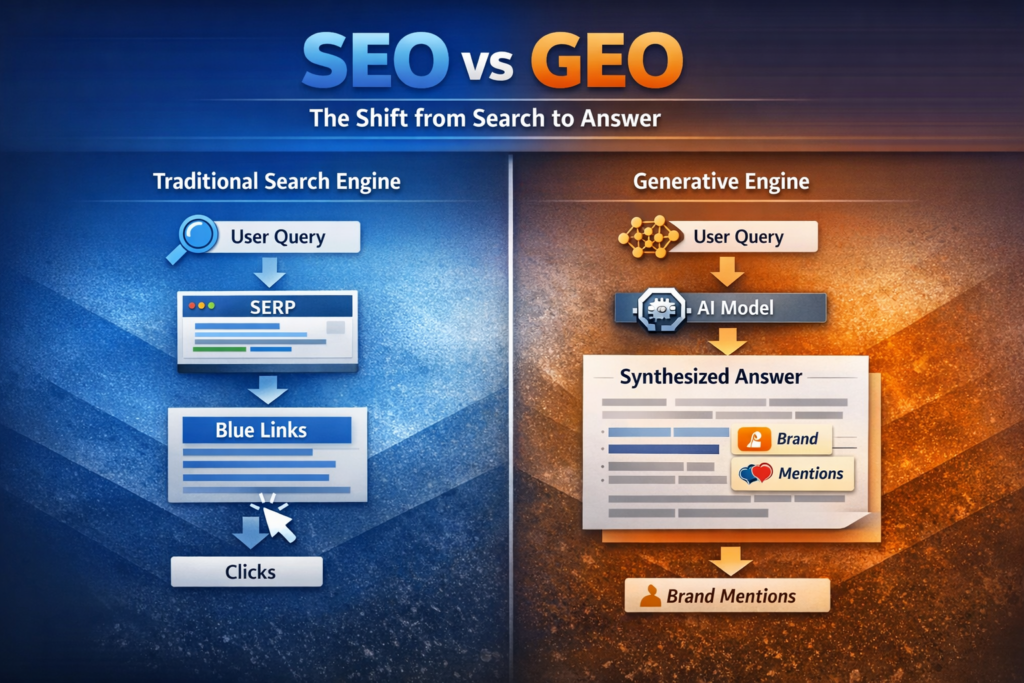
    Unlike traditional SEO, which optimizes for rankings in search engine results pages (SERPs), GEO focuses on optimizing inclusion, citation frequency, sentiment, and competitive positioning inside AI-generated answers.

    The Shift from SEO to GEO – SPYDERBOT.NET


    1. The Evolution from Search Engines to Generative Engines

    Traditional search engines return ranked links.

    Generative engines synthesize answers.

    This shift changes the optimization target:

    EraOptimization Target
    SEO EraRanking position
    AI EraRepresentation inside answers

    Users increasingly ask:

    • “What are the best AI SEO tools?”
    • “Which SaaS tools track competitor visibility?”
    • “How do LLMs choose sources?”

    Instead of receiving 10 blue links, they receive a summarized list—often with 3–5 brand mentions.

    If your brand is excluded, traffic loss becomes invisible.

    This is where GEO becomes strategic.


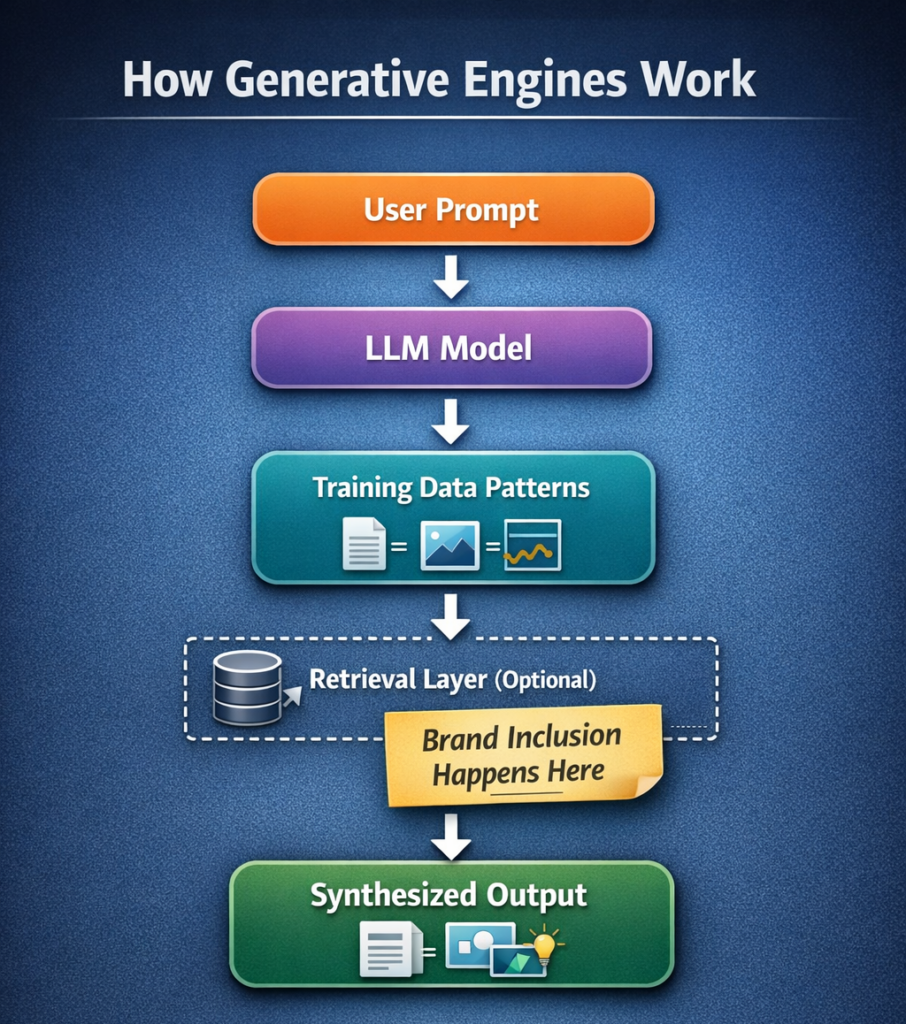
    2. How Generative AI Systems Produce Answers

    How Generative Engines Work- SPYDERBOT.NET

    Generative AI systems like ChatGPT, Gemini, and Claude operate using:

    • Pre-trained large-scale language models
    • Probabilistic token prediction
    • Pattern recognition from training corpora
    • In some cases, retrieval-augmented generation (RAG)

    Key implications:

    1. There is no fixed ranking algorithm like Google’s PageRank.
    2. There is no visible SERP.
    3. Brand inclusion is probabilistic.
    4. Context and entity strength matter.

    Optimization therefore targets entity prominence and semantic clarity rather than keyword density alone.


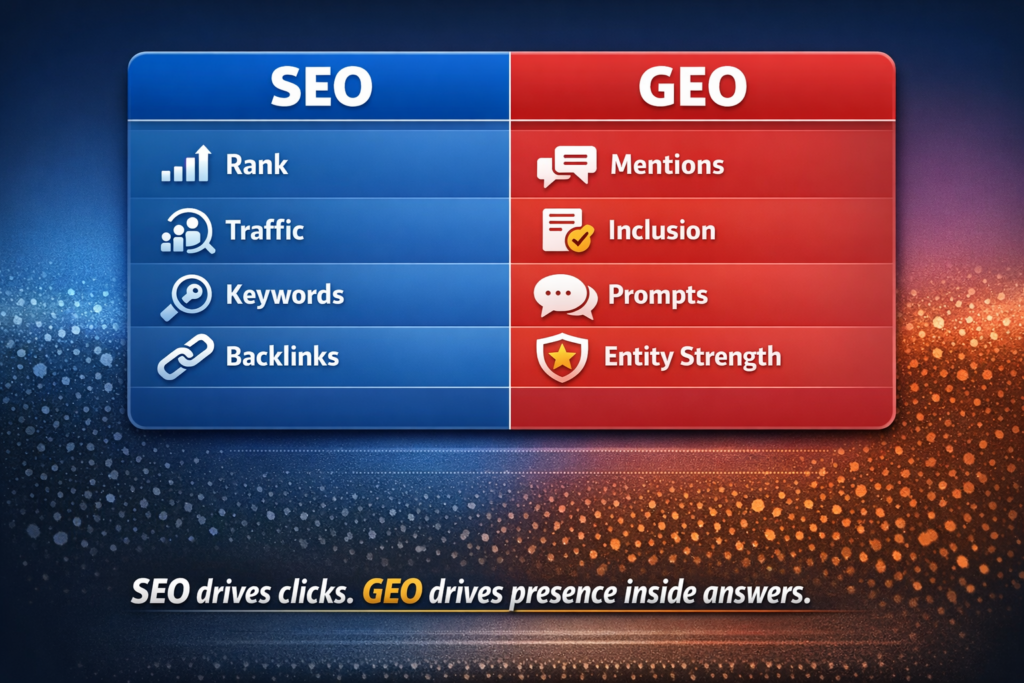
    3. GEO vs SEO: Structural Differences

    DimensionSEOGEO
    OutputRanked web pagesSynthesized responses
    MetricKeyword rankingMention frequency
    VisibilityPosition-basedInclusion-based
    SignalBacklinks, content, UXEntity prominence, authority, consistency
    CompetitionWebsitesBrands in answer sets

    SEO drives traffic.

    GEO drives presence inside decision-making summaries.

    Both are complementary.

    GEO vs SEO Comparison Table (Visual Graphic Version) – SPYDERBOT.NET

    4. The Core Pillars of Generative Engine Optimization

    Pillar 1: Entity Strength

    Generative systems recognize entities.

    Entity clarity requires:

    • Consistent brand description
    • Clear category positioning
    • Structured data (Schema.org)
    • Multi-platform presence

    Ambiguous brands are less likely to be surfaced.


    Pillar 2: Authority Footprint

    AI models favor:

    • Widely discussed brands
    • Brands with strong digital signals
    • Brands associated with clear categories

    Authority footprint includes:

    • Industry publications
    • SaaS directories
    • Research papers
    • Structured listings
    • High-quality backlinks

    Pillar 3: Prompt Coverage

    Traditional SEO tracks keywords.

    GEO tracks prompts.

    Example prompt clusters:

    • “Best tools for AI search monitoring”
    • “Top competitor analysis SaaS”
    • “How to optimize for generative AI”

    Coverage rate matters.

    If your brand appears in 5/100 prompts, visibility share is 5%.


    Pillar 4: Citation & Source Inclusion

    When AI systems provide citations or references:

    • Are you cited?
    • Are competitors cited instead?

    Citation frequency is a measurable GEO signal.


    Pillar 5: Sentiment & Positioning

    AI responses influence perception.

    Key questions:

    • Are you described as enterprise-level?
    • Are you described as beginner-friendly?
    • Are competitors framed as more innovative?

    Positioning drift is a GEO risk.


    5. How LLMs Decide What to Mention

    While ranking factors are not publicly documented, observable patterns suggest influence from:

    • Brand frequency in training data
    • Consistency of category association
    • Strength of digital authority
    • Prominence across reputable domains
    • Clear definitional content

    Brands with strong semantic identity perform better in AI summaries.


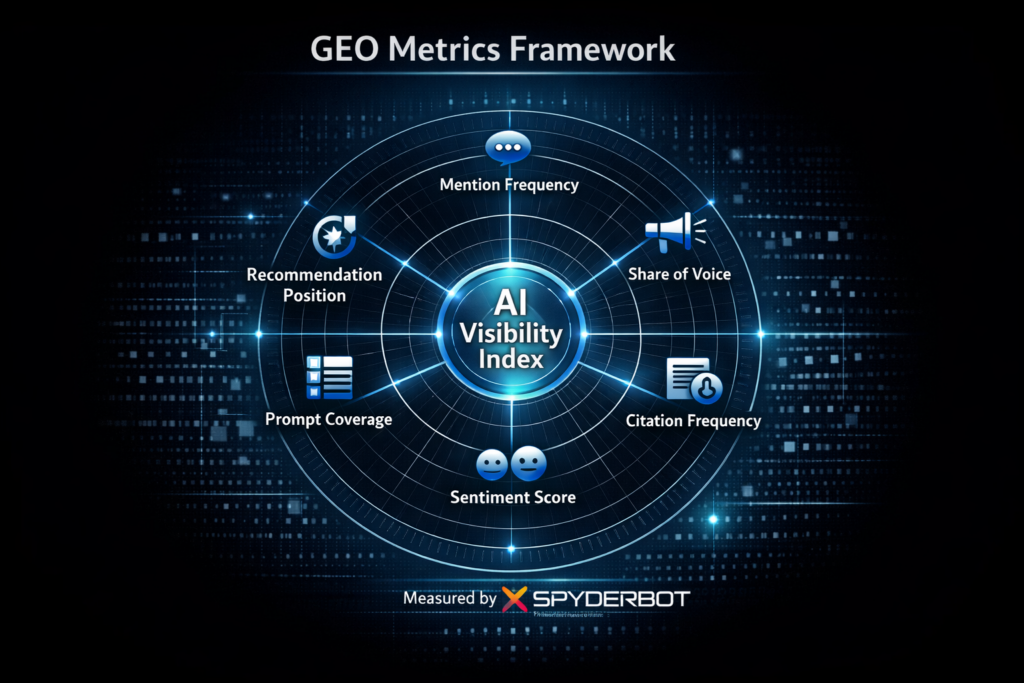
    6. GEO Metrics Framework

    GEO Metrics Framework Diagram – SPYDERBOT.NET

    A structured GEO measurement model tracks:

    1. Mention Frequency

    How often your brand appears across defined prompt sets.

    2. Share of Voice

    Brand mentions divided by total mentions within a category.

    3. Recommendation Order

    Placement within top 3 recommendations.

    4. Citation Frequency

    Inclusion in referenced sources.

    5. Sentiment Score

    Positive, neutral, or negative context.

    6. Prompt Coverage Rate

    Percentage of tested prompts where brand appears.

    These metrics form an AI Visibility Index.


    7. Optimization Tactics That Influence AI Visibility

    1. Build a Clear Category Narrative

    Define:

    • What category you belong to
    • What problem you solve
    • What differentiates you

    Ambiguity reduces inclusion probability.


    2. Publish Authoritative Definitions

    Clear definitional pages increase citation likelihood.

    Example structure:

    • Definition in 40–60 words
    • Expanded explanation
    • Comparison table
    • FAQ section

    This structure benefits both Google and LLM parsing.


    3. Strengthen Digital Entity Consistency

    Maintain identical positioning across:

    • Website
    • SaaS directories
    • Social platforms
    • Media mentions

    Consistency improves entity recognition.


    4. Publish Data-Driven Research

    Original reports:

    • Increase citation probability
    • Improve authority perception
    • Enhance share of voice

    5. Monitor Competitor Visibility

    Track:

    • Which prompts mention competitors
    • Which AI systems favor which brands
    • Citation overlap

    Competitive benchmarking is central to GEO.


    8. Competitive GEO Strategy

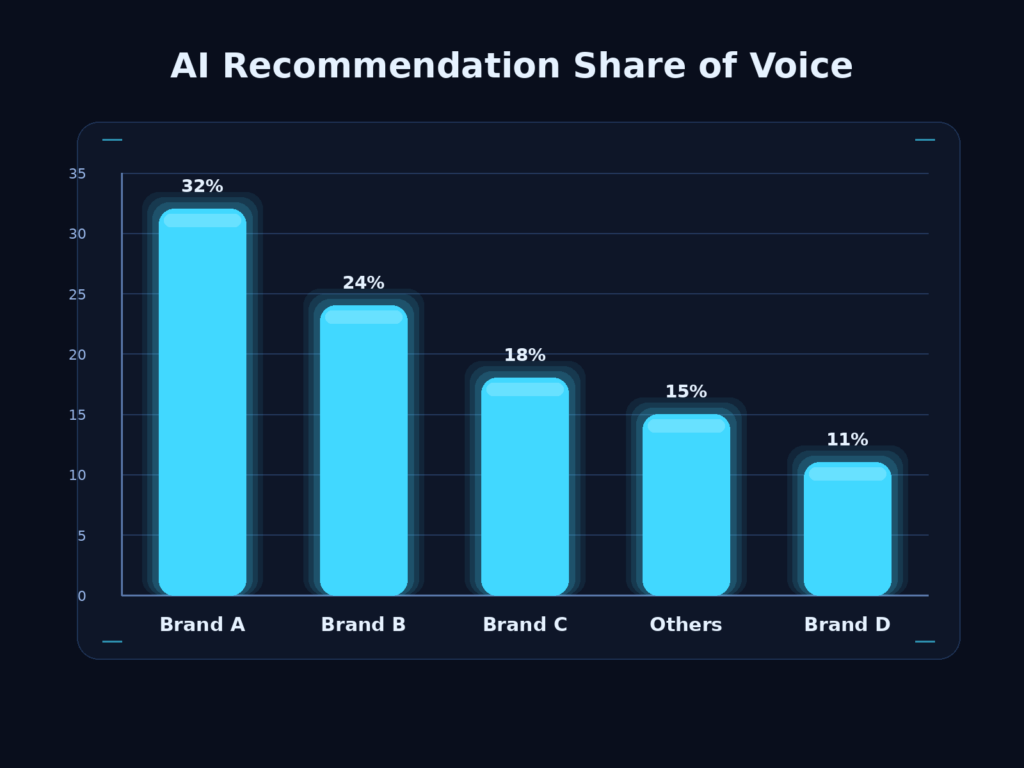
    Competitive GEO Landscape Chart – SPYDERBOT.NET

    A competitive GEO approach involves:

    1. Identifying high-intent prompt clusters
    2. Testing AI responses across systems
    3. Measuring mention frequency
    4. Identifying gaps
    5. Publishing optimized content

    This transforms AI visibility from reactive to strategic.


    9. Risks and Misconceptions

    Misconception 1: GEO Replaces SEO

    False. GEO complements SEO.


    Misconception 2: AI Cannot Be Influenced

    While models are probabilistic, entity strength and authority signals influence representation.


    Misconception 3: Ranking in Google Guarantees AI Inclusion

    Not always.

    AI may synthesize from multiple domains.


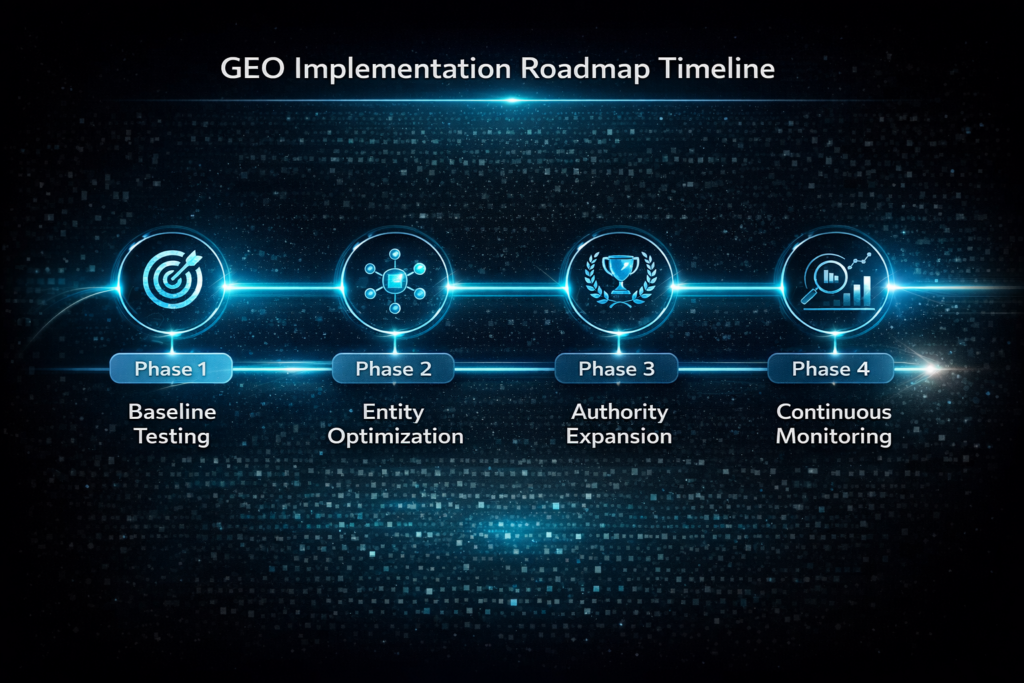
    10. GEO Implementation Roadmap

    Phase 1: Baseline Measurement

    • Define 100+ prompts
    • Measure current visibility

    Phase 2: Content & Entity Optimization

    • Build definitional pages
    • Strengthen structured data
    • Improve category clarity

    Phase 3: Authority Expansion

    • Publish research
    • Acquire relevant backlinks
    • Expand digital footprint

    Phase 4: Continuous Monitoring

    • Weekly prompt testing
    • Competitive benchmarking
    • Sentiment tracking

    11. The Future of AI Search

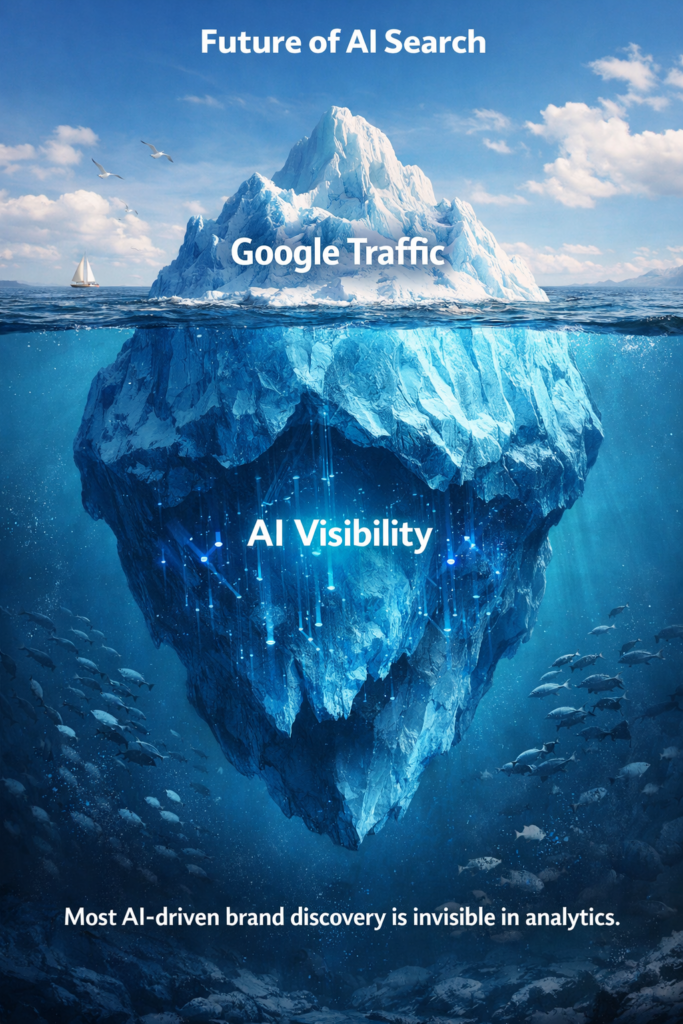
    Invisible Market Share- SPYDERBOT.NET

    AI assistants are becoming:

    • Research tools
    • Comparison engines
    • Advisory systems

    Visibility inside AI-generated responses may become as important as traditional search rankings.

    Brands that ignore GEO risk becoming invisible in AI-driven decision journeys.


    12. Frequently Asked Questions (Expanded)

    Is Generative Engine Optimization measurable?

    Yes. Through structured prompt testing and visibility analysis.

    Does GEO require technical SEO?

    Yes. Structured data and entity clarity strengthen representation.

    How long does GEO take to impact?

    It depends on brand authority and competitive landscape. Results are cumulative.

    Who should prioritize GEO?

    • SaaS companies
    • B2B technology brands
    • High-consideration product categories

    Is GEO relevant outside tech industries?

    Yes. AI assistants are used across verticals for product discovery.


    GEO Implementation Roadmap Timeline – SPYDERBOT.NET

    Conclusion

    Generative Engine Optimization is the strategic discipline of improving how AI systems mention, compare, and recommend your brand within generated responses.

    As search evolves toward AI-generated answers, GEO ensures your brand remains visible, accurately positioned, and competitively represented inside the AI decision layer.